


Lip Flip vs. Lip Filler: What’s the Difference?
Updated: Sep 27
One of the questions I hear a lot in aesthetics is: “Do I need lip filler?” And sometimes the answer is actually no. Sometimes what someone is looking for is not more lip volume at all — they just want a little more of the upper lip to show when they smile.
That is where a lip flip can be a very different option from filler. They can both make the lips look a little fuller, but they do it in completely different ways.
What is a lip flip?
A lip flip uses a very small amount of a botulinum toxin medication — the same category of medication people often call Botox — placed around the upper lip. The goal is to relax part of the muscle around the mouth just enough that the upper lip rolls slightly outward instead of pulling inward as much when you smile.
The important part: a lip flip does not add volume. There is no gel being placed into the lip. It simply changes how the existing lip sits and moves. Because of that, the result is usually subtle. It can be a nice option for someone who already likes the size of their lips but wants a little more upper-lip show, or for someone whose upper lip seems to disappear when they smile.
Lip flips are an off-label use of botulinum toxin, which means the medication is being used in a way that is common in aesthetic practice but is not one of the specific cosmetic indications listed in the FDA labeling.
What does lip filler do?
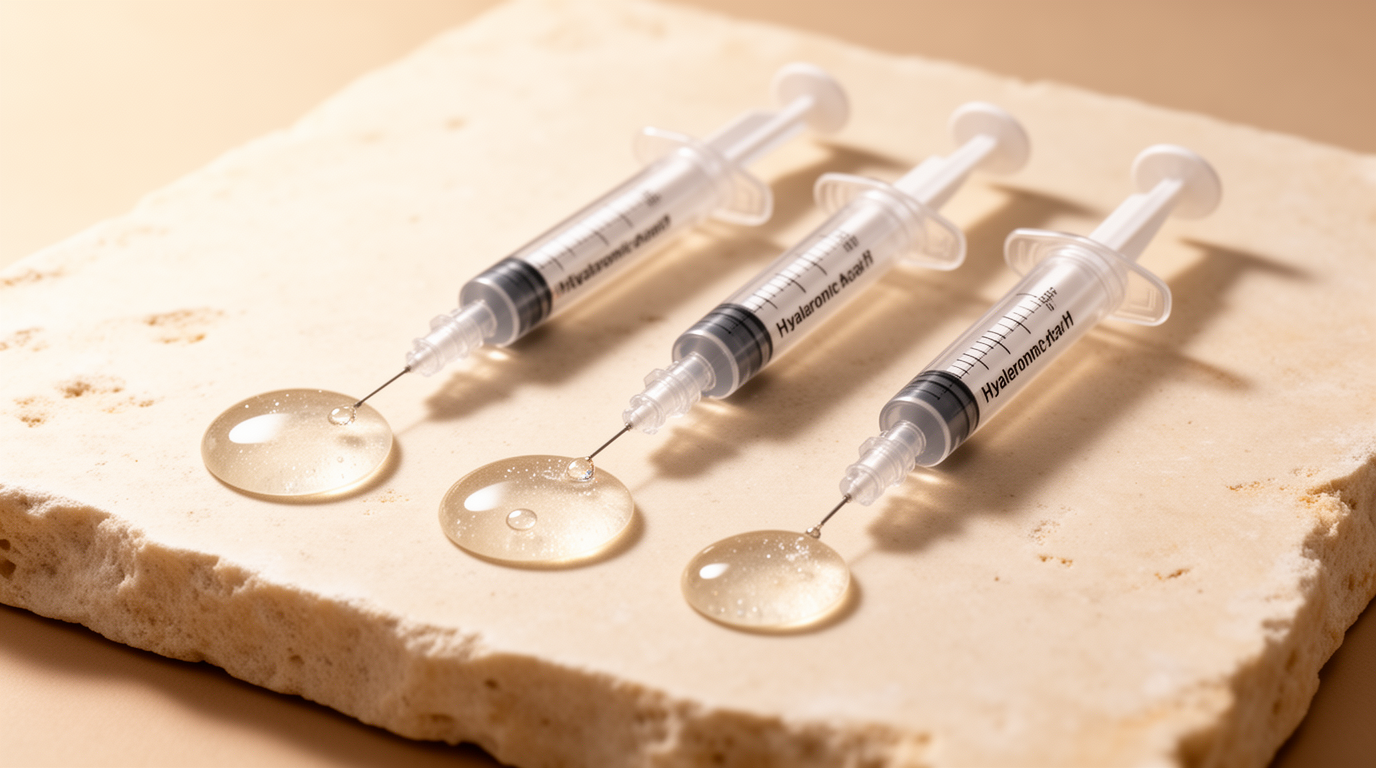
Lip filler works very differently. Most modern lip fillers used for augmentation are made with hyaluronic acid, a substance that attracts water and creates volume. Instead of changing how the muscle moves, filler actually adds structure, shape, or fullness to the lip.
That means filler gives us more ability to change the size and contour of the lips. We can add definition to the border, build the body of the lip, improve symmetry, or replace volume that has been lost over time. The result is visible right away, although swelling and bruising can temporarily make the lips look fuller than the final result for the first several days.
So which one is better?
Neither one is automatically better. They solve different problems.
If someone tells me, “I like my lips, but my top lip disappears when I smile,” I may start thinking about a lip flip. If someone says, “I want more volume, more shape, or better symmetry,” filler is usually the more appropriate tool. And sometimes a very conservative combination of the two can make sense.
The biggest difference: movement vs. volume
The simplest way I explain it is this: a lip flip changes movement. Filler changes volume and structure.
A lip flip develops gradually as the neuromodulator takes effect and is temporary, typically lasting a few months. Lip filler produces an immediate volume change and generally lasts longer, although the exact duration depends on the product, the amount used, the person’s metabolism, and the treatment plan.
There are tradeoffs with both
A lip flip is quick and subtle, but relaxing the muscle around the mouth too much can temporarily affect things like sipping through a straw, pronouncing certain words, or keeping a tight seal around the lips. That is why dose and placement matter.
Filler gives us more control over shape and volume, but it also comes with more swelling and bruising and carries its own medical risks. The most serious, although uncommon, complication is accidental injection into a blood vessel, which is why filler should be treated as a medical procedure and performed by a properly trained licensed provider who understands facial anatomy and complication management.
My favorite approach: decide what you are actually trying to change
Before choosing a treatment, I think the most useful question is not “Do I want Botox or filler?” It is: “What exactly do I want to look different?”
Do you want the upper lip to show a little more when you smile? Do you want actual added volume? More definition? Better symmetry? A softer gummy smile? Once we identify the goal, choosing the right treatment becomes much easier — and often much more conservative.
Sometimes the smallest treatment is the right one. And sometimes filler really is the better tool. The goal is not to do more. It is to do the thing that actually matches what you are trying to change.
Sources
FDA — Dermal Fillers (Soft Tissue Fillers) https://www.fda.gov/medical-devices/aesthetic-cosmetic-devices/dermal-fillers-soft-tissue-fillers
FDA — Dermal Filler Do’s and Don’ts https://www.fda.gov/consumers/consumer-updates/dermal-filler-dos-and-donts-wrinkles-lips-and-more

Comments